Digital Readiness in a Turbulent World

If an IT system becomes unavailable to your business due to a cyberattack or geopolitical factors, it can lead to production stoppages, financial losses, and, at best, reduced productivity. As a leader, you are responsible for the company’s digital resilience. It’s about understanding what’s at stake if something were to happen.

What risks are you living with—and which ones do you need to address?

Contact us

Secure IT management

When digital systems are critical to value creation, IT security becomes a management issue. It cannot, therefore, be the sole responsibility of the IT department, but should be viewed as part of the company’s overall contingency planning. This is where Secure IT Governance comes in.

Effective IT management involves taking a structured approach to IT security. This ensures that operations can continue even in crisis situations and that you can quickly adapt when something happens.

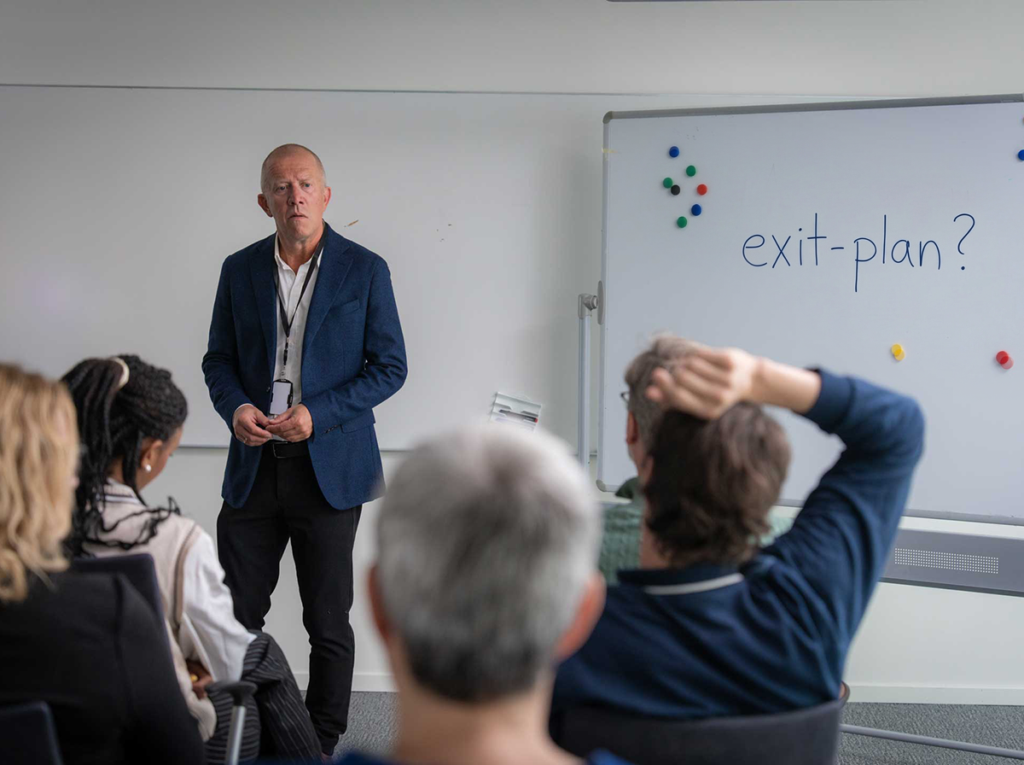
Blog Exit Strategy: How to Do It - 1024x765

Let’s take a show of hands. Should we replace “big tech”? Luckily, you don’t have to figure it all out on your own…

How we approach digital readiness

Through security management, we work closely with you, our client, to help you make informed decisions regarding, among other things:

  • Risk management, including the identification of assets and risks
  • Assessment of Supplier Reliability
  • Contingency plans

To name a few examples.

Through preventive measures like these, you’ll quickly gain a clear picture of the risks relevant to your business—and the steps you should take.

But why prioritize safety management?

We can list several advantages:

  • Enhanced protection for the company's assets
  • Enhanced resilience against cyber threats
  • Better compliance with laws and regulations (such as the NIS2 Directive)
  • Increased customer confidence
  • Greater value for investors and the board

How do we get started?

Kickoff meeting with management

We begin by clarifying the goals, scope, milestones, and success criteria for the collaboration. We also identify the company’s critical functions, systems, and roles.

This forms the basis for a concrete policy document. We also discuss risk appetite—that is, the amount of risk the organization is willing to take to achieve its strategic goals.

Risk Assessment and Draft Documentation

Let’s get started! In this step, we document the company’s assets and values. We conduct impact analyses—what happens if “X, Y, or Z” occurs?—as well as risk assessments based on these.

This is used in everything from IT systems to data protection and the environment. Once the documents are ready, we will share the drafts with you.

Presentation of the work and the way forward

Once the risks have been identified, we can begin working on mitigation measures and KPIs. We also present policies, action plans, and a review of supplier security. And perhaps most importantly—this is when the work begins to gain buy-in for the plans from management, the board, and the rest of the organization.

This document is updated annually, or more frequently in the event of major changes to your IT environment or the external environment

[ Are you ready to get started with Secure IT Management? ]

Get in touch - we are happy to tell you more!

Tired of filling in forms?

You can also call 040-626 75 00, Monday-Friday 08-17, or send an email to kontakt@upheads.se